
George faces an extended absence through the remainder of 2025-26 after sustaining a Grade 2 distal UCL tear in his left elbow. Sidelined since March 2, he will not return in the final weeks, prioritizing complete healing over any accelerated timeline. This ligament injury underscores the challenges of managing partial tears in high-demand physical roles.
Understanding Distal UCL Tears
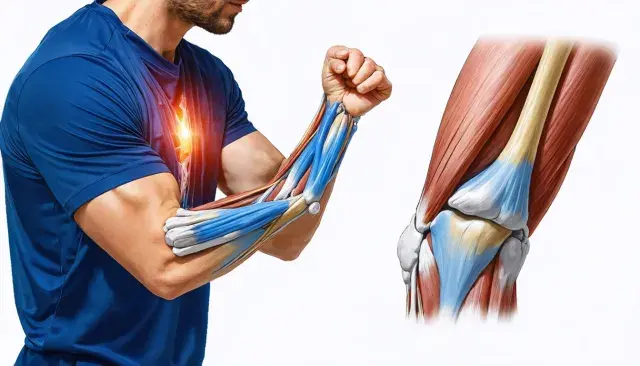
The ulnar collateral ligament anchors the inner elbow, stabilizing the joint against sideways forces that stress the medial side. A distal tear occurs near its attachment on the ulna bone, compromising this support. Grade 2 signifies a partial rupture—enough damage to cause pain, instability, and swelling, yet short of full detachment that often demands immediate surgery.
Recovery Pathways and Timeline
Treatment for Grade 2 tears typically begins with immobilization, followed by progressive rehabilitation to restore strength and range of motion. Full return to prior function demands months, as scar tissue forms and the ligament remodels. Absent pressure for quick recovery, medical teams opt for conservative management, avoiding risks like re-injury or chronic instability.
Broader Implications for Elbow Stability
These injuries reveal vulnerabilities in elbows subjected to repetitive valgus loading, common in overhead or throwing motions. Partial tears can progress if overloaded prematurely, leading to arthritis or complete failure over time. George's case highlights the value of rest in late stages, ensuring optimal ligament repair and long-term joint health amid demanding schedules.